
Home / Beginner camping gear checklist
Beginner camping gear checklist
A simple packing list for a first car-camping trip. There are no product links on this page. Borrow or buy what you need, and match it to the season and the park.
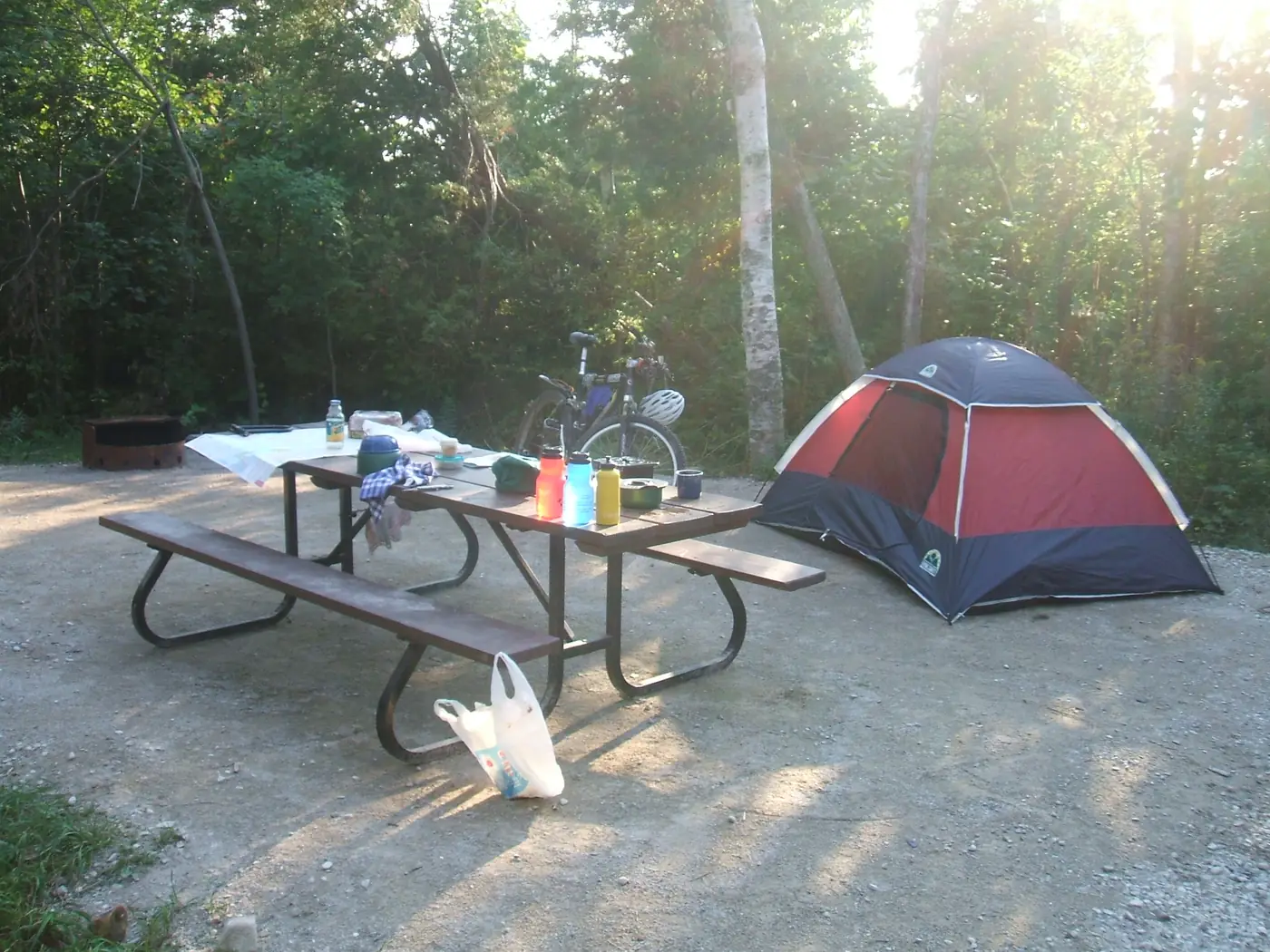

Shelter and sleep
- A tent or other shelter suited to the number of people and the weather, plus a groundsheet if the tent needs one, and pegs and a mallet or rock for hard ground.
- A sleeping pad or cot, and a sleeping bag or quilt warm enough for the coldest night in the forecast, with a little margin.
- A pillow or stuff-sack pillow, and dry bags or a plastic bin to keep spare clothes off a damp floor.
Clothing and weather
- Layers you can add or remove: a base layer, a warm mid-layer, and a rain jacket and rain pants. Avoid relying on a single cotton outfit in the rain or cold.
- Warm hat, sun hat, and extra socks. Sturdy shoes or boots, plus camp shoes if you want to change out of wet footwear.
- Sun protection and insect protection appropriate to the place and season.
Kitchen, water and light
- At many Ontario Parks car-camping sites you will already have a picnic table and a fire pit with a grate. Still bring a stove and fuel you know how to use, in case of rain or a fire ban.
- A pot or pan, utensils, a mug and bowl, a sharp knife, and a way to wash dishes. Pack out food scraps.
- Enough drinking water, or a way to treat water if you will not be on tested tap water. A cooler and ice if you are keeping food cold.
- A headlamp or flashlight with spare batteries, plus a lantern if you want light at the table.
Safety and camp life
- A first-aid kit, any personal medication, and a printed confirmation of your booking, plus a paper map or downloaded offline map.
- A way to store food, toiletries and scented items so they are not likely to attract wildlife. Follow park directions for bears and other animals.
- Trash bags, a repair kit (tape, cord, a spare peg), and a small broom or cloth to leave the site clean.
- If you make a fire, bring something to put it out completely. Check for fire bans first, and use local firewood.
Care for the place
A widely used way to reduce camping impact is Leave No Trace . In short: plan ahead, stay on durable surfaces, pack out your waste, leave natural objects where they are, keep fires small and only where they are allowed, give wildlife space, and be considerate of other people. That is our own short wording, not a reprint of their official list; read the principles on their site.
Sources
Checked on 21 November 2026. Rules and fees change, so confirm on the official page before you go.
More guides
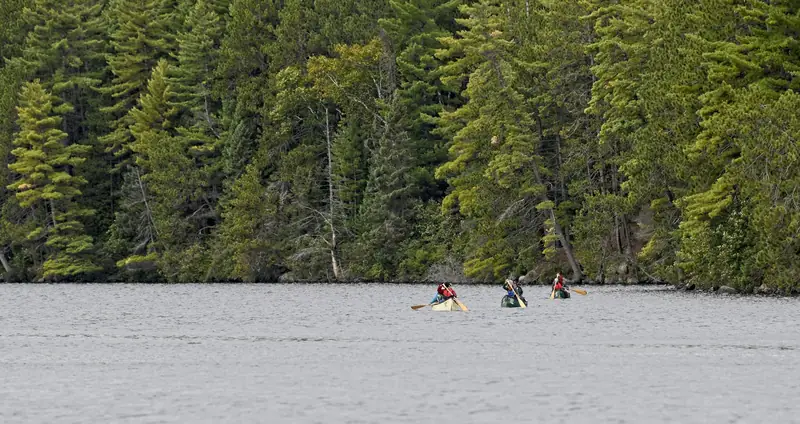
Ontario provincial park camping basics
How reservations, fees and campsite rules work, from official Ontario Parks pages.
Photo: Mykola Swarnyk, CC BY-SA 3.0. Source: Wikimedia Commons.
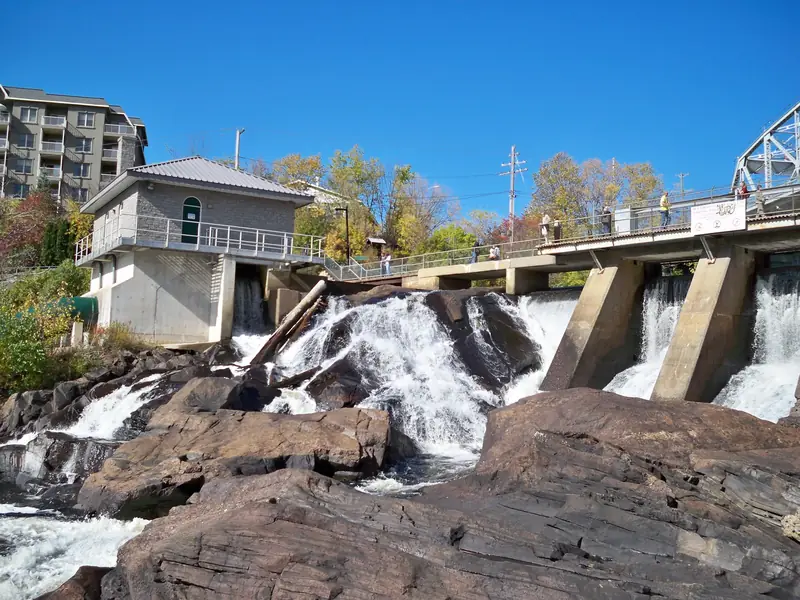
Cottage and cabin stays
What to check before you book a cottage, cabin or B&B, with a Muskoka example.
Photo: XeresNelro, CC BY-SA 4.0. Source: Wikimedia Commons.
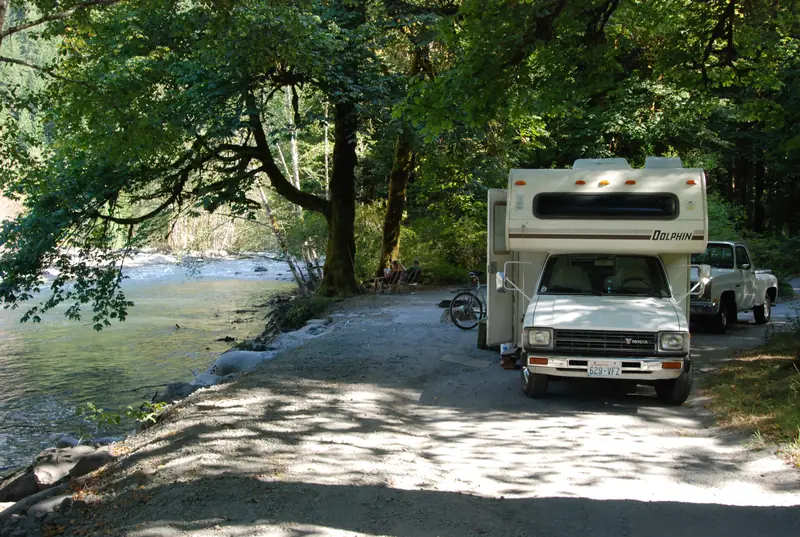
First-time RV and van-life tips
A practical first-trip checklist for driving, dumping and planning a backup stay.
Photo: Olympic National Park, Public domain. Source: Wikimedia Commons.
Can you park overnight? How to check
How to check store lots and public land in Canada and the US: always ask, and always read the signs.
Photo: DXR, CC BY-SA 4.0. Source: Wikimedia Commons.
Crown land and U.S. public land camping
Official Crown land pages by province, Ontario atlas rules, and U.S. Forest Service and BLM dispersed-camping guidance.
Photo: DXR, CC BY-SA 4.0. Source: Wikimedia Commons.


