
Home / Ontario provincial park camping basics
Ontario provincial park camping basics
How car camping reservations, fees and campsite rules work at Ontario provincial parks, taken from official Ontario Parks pages. Always confirm the park you are visiting, because operating dates and some stay limits differ.
For other official park systems, start with Parks Canada, the National Park Service camping page, or the provincial, territorial or state park agency linked from our region pages.

What car camping means
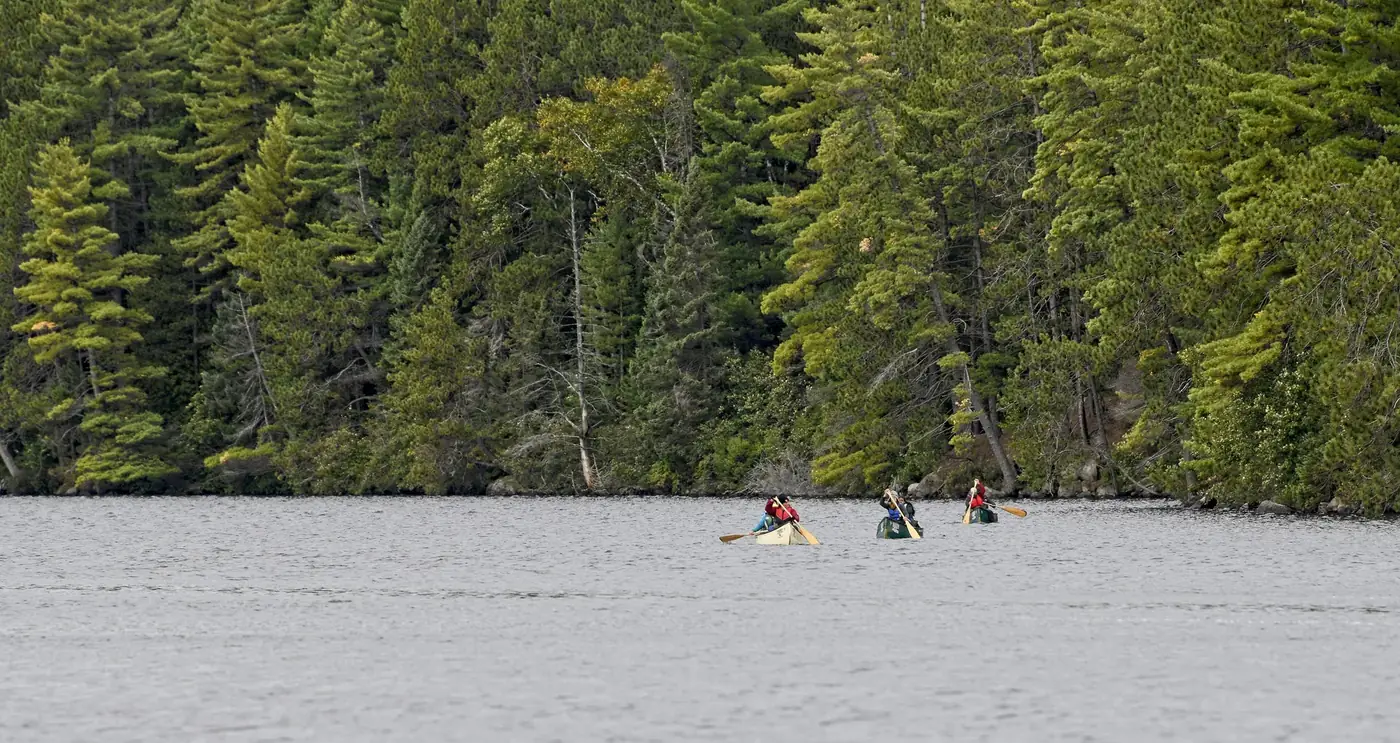
Ontario Parks says the province has over 100 provincial parks that offer car camping: you drive up to a campsite in a campground, rather than hiking into the backcountry. Most parks are open from late spring (May or June) until autumn (Labour Day or Thanksgiving weekend). A few, including Algonquin, MacGregor Point, Pinery and Killarney, offer camping year-round. Check the individual park listing for operating dates.
A typical campsite includes a picnic table, a fire pit with a grate, and a level area for your gear. Water taps are placed through the campground; unless a sign says otherwise, Ontario Parks says the water is suitable for drinking and is tested regularly. Electrical sites use a 15/30 amp pedestal, often shared by two sites, so a long extension cord helps. Washrooms are a short walk away. Many parks sell firewood and ice, and many have a trailer dumping station.
Reservations
Reservations are accepted up to five months before your arrival date. For example, Ontario Parks says you can book 15 January for an arrival on 15 June. Arrival dates of 29, 30 and 31 July first become available on 1 March at 7:00 a.m. Eastern Time (in a leap year, 29 July opens on 29 February at 7:00 a.m.). The online system also opens at 7:00 a.m. for those five-month windows.
Parks can be full in summer, so reservations are recommended. You can book online at reservations.ontarioparks.ca or by calling 1-888-ONT-PARK (1-888-668-7275). The call centre is open 7:00 a.m. to 9:00 p.m. Eastern Time, 363 days a year, and is closed on Christmas Day and New Year’s Day. Same-day reservations can be made up to 9:00 p.m. on the day you arrive.
The reservation must be in the name of the person who will occupy and be responsible for the site. Multiple reservations in the same name for the same time period are not allowed. You will get an email before arrival so you can check in online and update your licence plate and occupant names. Follow the arrival instructions in your confirmation; some parks require a stop at a registration area.
Fees and changes
A non-refundable reservation fee is charged when you book, on top of the camping fee, which is due in full when you reserve. For 1 April 2026 to 31 March 2027, Ontario Parks lists the online reservation fee as $11.00 including HST, and the minimum online change or cancellation fee as $8.50 including HST. Phone and in-park reservation fees are higher ($13.00 to reserve, and a $10.50 minimum to change or cancel, including HST).
You cannot change or cancel a reservation more than four months before your arrival day. To make a change or cancellation, use your account at reservations.ontarioparks.ca or call 1-888-668-7275.
Campsite rules
For car camping, the permit holder must be 16 or older. No more than six people may occupy a site unless they are a single family of parents and their children. One vehicle is included with the permit; extra vehicles need additional vehicle permits and may have to park in a designated area away from the site.
Where space permits, you may have up to three pieces of shelter equipment, plus one dining shelter and a tarp. Only one piece of shelter equipment can be a tent trailer, house trailer, motor home or self-propelled camping unit. Check-in is after 2:00 p.m. and check-out is before 2:00 p.m.
Maximum stays are shorter at some parks between 1 July and the Saturday of the Labour Day long weekend (seven or fourteen nights). At other parks, and in the off-season, the maximum is 23 consecutive nights. If your dates overlap those summer limits, Ontario Parks posts extra rules for how far a stay can run. Check the stay limit for the park you want.
Roofed stays and backcountry
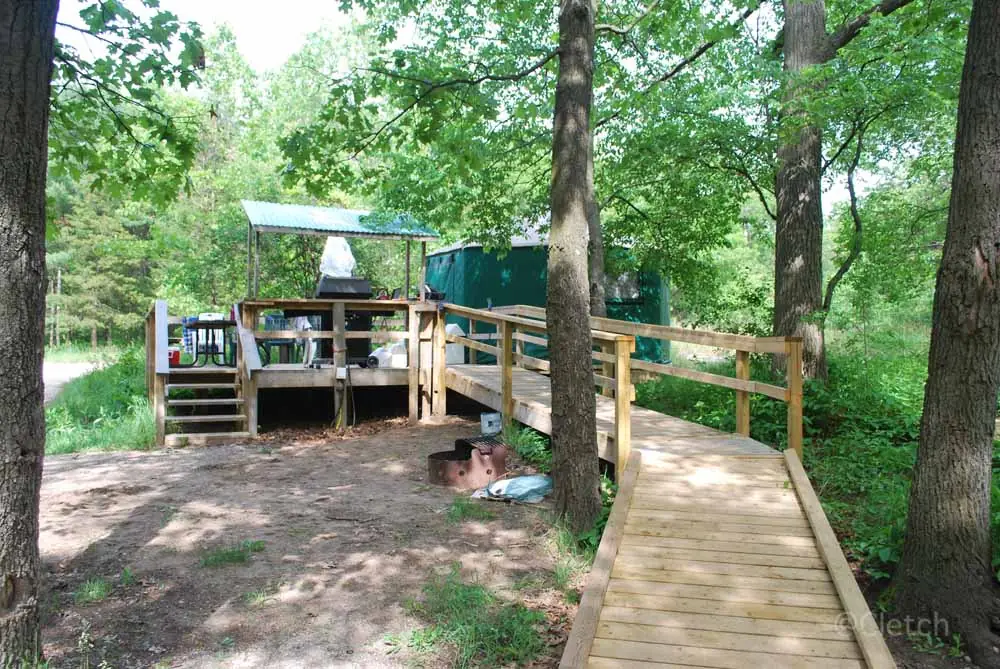
Some parks also rent roofed places such as rustic cabins, cottages and yurts. For those, the permit holder must be 21 or older, full payment is due when you book, and a security deposit may be required on arrival. The maximum stay for rustic cabins and cottages is 14 consecutive nights. Smoking and vaping are prohibited in all roofed accommodations, and cooking in yurts is not permitted. Read the amenity list for the unit you book.

Backcountry (interior) camping has its own rules, including a required interior camping permit, different group-size limits, and a usual maximum of 16 consecutive nights on one backcountry site (with shorter limits at some Killarney sites). See the official reservations rules if you are heading inland.
Fires, pets and everyday conduct
Use the fire pit provided, and only when fires are allowed. Check for fire bans before you light anything, and buy local firewood rather than bringing wood from far away, which can spread pests. Keep food and other wildlife attractants stored so they are not likely to attract animals.
Ontario Parks says dogs are welcome and are generally allowed on campsites, park roads and most hiking trails, with some exceptions. Park rules (for example the Algonquin rules page) say a pet must be under control and on a leash no longer than two metres. Check the page for the park you visit, including beaches and posted no-pet areas.
Alcohol is permitted for adults 19 and over in most areas of operating provincial parks, but parks mark alcohol-free areas. You cannot disturb other people at any time of day or night. Smoking and vaping are banned in enclosed public places, certain sheltered areas, playgrounds and some sport and swim areas, including a 20-metre buffer in the cases Ontario Parks lists.
This is a starter summary, not a complete rulebook. Park staff and the official pages have the final word.
Need a roof near the park?
Some links and booking tools on this page are affiliate links. We may earn a commission at no extra cost to you. See our affiliate disclosure.
Sources
Checked on 21 November 2026. Rules and fees change, so confirm on the official page before you go.
More guides
Cottage and cabin stays
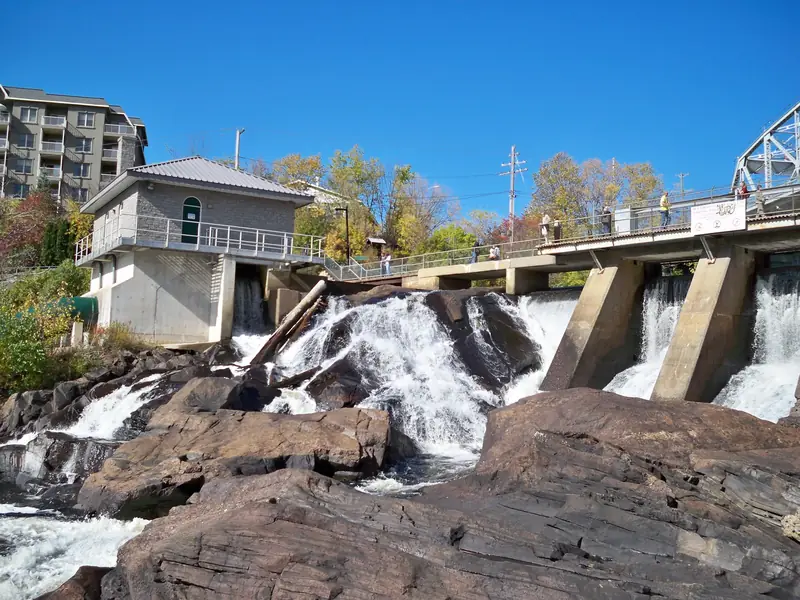
What to check before you book a cottage, cabin or B&B, with a Muskoka example.
Photo: XeresNelro, CC BY-SA 4.0. Source: Wikimedia Commons.
First-time RV and van-life tips
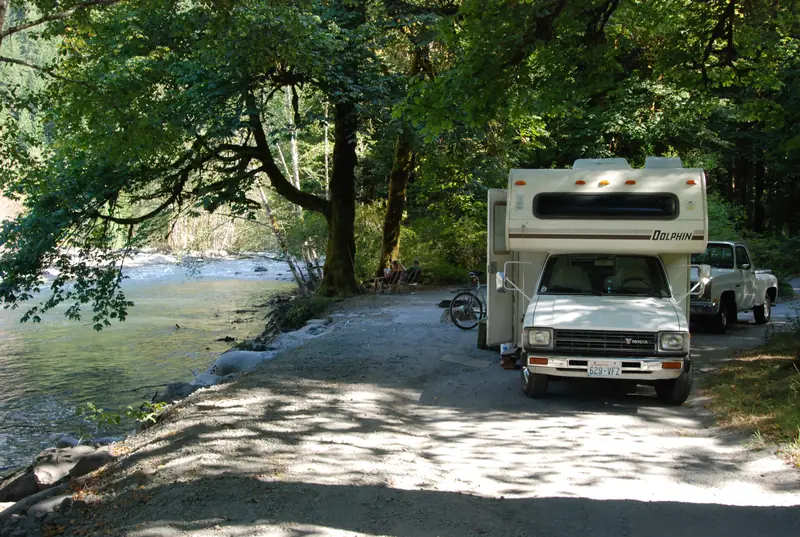
A practical first-trip checklist for driving, dumping and planning a backup stay.
Photo: Olympic National Park, Public domain. Source: Wikimedia Commons.
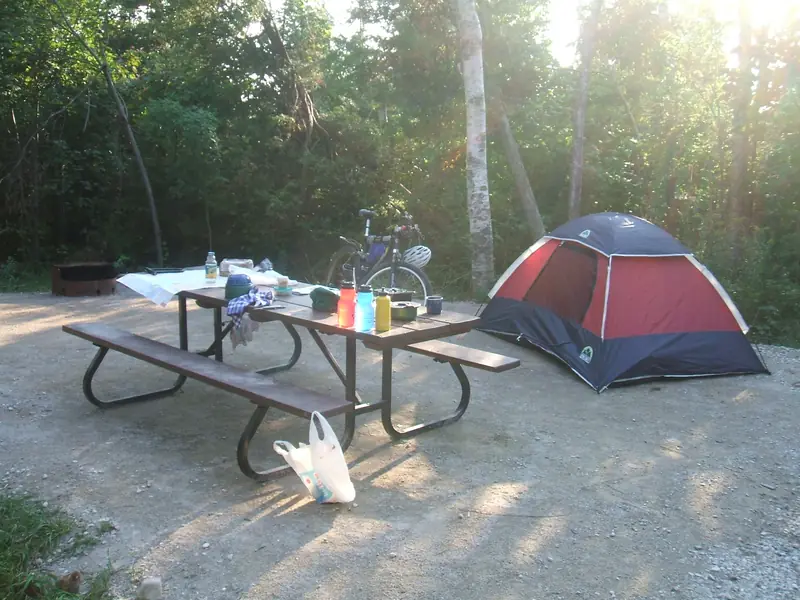
Beginner camping gear checklist
A no-product-link list of what to pack, plus how to camp more lightly.
Photo: James deBoer, CC BY 2.5. Source: Wikimedia Commons.
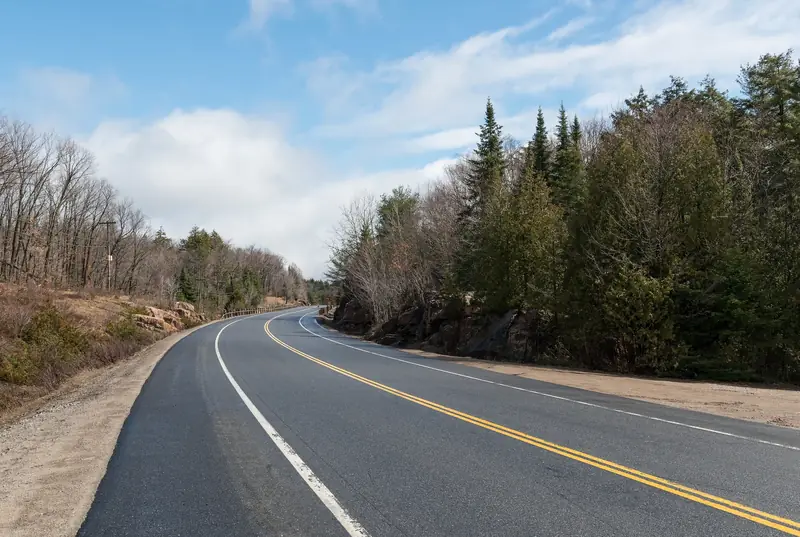
Can you park overnight? How to check
How to check store lots and public land in Canada and the US: always ask, and always read the signs.
Photo: DXR, CC BY-SA 4.0. Source: Wikimedia Commons.
Crown land and U.S. public land camping
Official Crown land pages by province, Ontario atlas rules, and U.S. Forest Service and BLM dispersed-camping guidance.
Photo: DXR, CC BY-SA 4.0. Source: Wikimedia Commons.


