
Home / Cottage and cabin stays
Cottage and cabin stays
A practical list of what to check before you rent a cottage, cabin or B&B in Canada or the United States, with Ontario’s cottage country as one worked example. We do not invent house rules or municipal bylaws; those come from the host and the local government for the place you are staying.
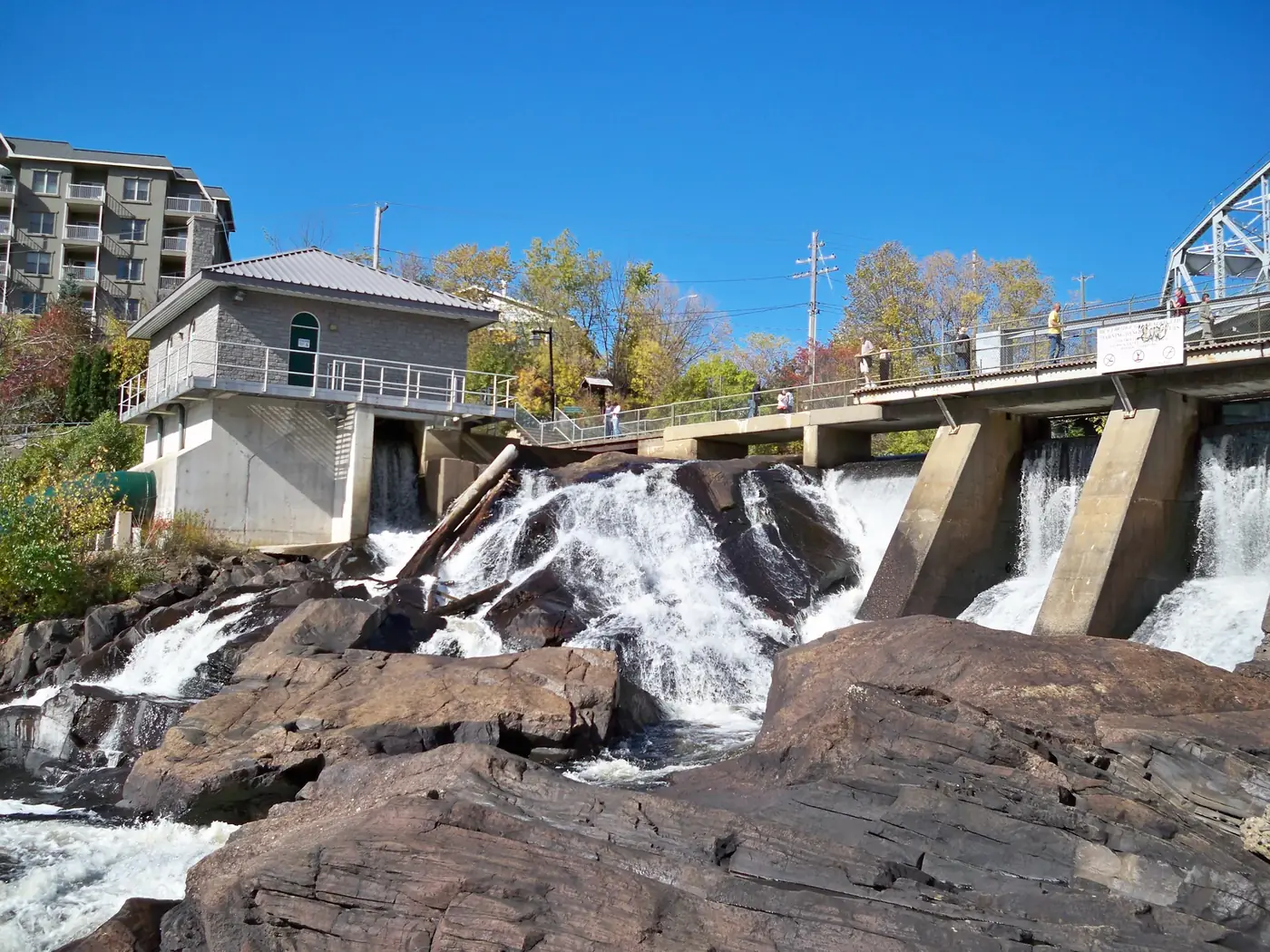

Start with the basics
Cottages, cabins and bed-and-breakfasts are rented by private hosts, small operators and, in some parks, by the park itself. A booking site can help you compare places, but the listing and the host still need a close read. Prices, taxes, cleaning fees and cancellation rules are set by the operator, not by us.
Ontario cottage country, including the District of Muskoka, is a common starting point for a Canada trip. Similar questions apply to cabins in other provinces and in the United States: access, water, heat, and the rules of that town.
Questions worth asking before you pay
- How do you get there in the season you are travelling? Some roads, ferry links and driveways are harder in mud season or winter. Ask about parking, including for a second car or a longer vehicle.
- Where does the drinking water come from, and is it tested? Lake, well and municipal supplies are not the same, and a rental should say what is safe to drink and what needs boiling or a filter.
- How is wastewater handled (septic or sewer), and are there limits on guests or hot tubs?
- What heat, cooling and cooking appliances are actually provided? If you are going in shoulder season or winter, ask whether the building is winterized and who to call if a pump or furnace fails.
- Is there reliable phone or internet service if you need it, or should you plan as if you will be offline?
- What is the cancellation and damage-deposit policy, in writing?
- Are short-term rentals allowed at that address? Many towns and cities set their own licensing or zoning rules. Check the municipality, not only the listing.
- Fire, barbecue, dock and boat rules, including any fire ban in the area.
Park cabins and yurts
If you want a roof inside a provincial park, Ontario Parks also rents roofed accommodations at some parks, such as rustic cabins, cottages and yurts. Those bookings follow Ontario Parks rules: the permit holder must be 21 or older, smoking and vaping are not allowed inside, cooking is not permitted in yurts, and rustic cabins and cottages have a 14-night maximum stay. See our Ontario provincial park camping basics and the park’s own page.
For a private cottage, you are making a contract with the host or rental company. Read their terms, and keep a copy of the confirmation.
Browse cottages and cabins in Muskoka
Some links and booking tools on this page are affiliate links. We may earn a commission at no extra cost to you. See our affiliate disclosure.
Sources
Checked on 21 November 2026. Rules and fees change, so confirm on the official page before you go.
More guides
Ontario provincial park camping basics
How reservations, fees and campsite rules work, from official Ontario Parks pages.
Photo: Mykola Swarnyk, CC BY-SA 3.0. Source: Wikimedia Commons.
First-time RV and van-life tips
A practical first-trip checklist for driving, dumping and planning a backup stay.
Photo: Olympic National Park, Public domain. Source: Wikimedia Commons.
Beginner camping gear checklist
A no-product-link list of what to pack, plus how to camp more lightly.
Photo: James deBoer, CC BY 2.5. Source: Wikimedia Commons.
Can you park overnight? How to check
How to check store lots and public land in Canada and the US: always ask, and always read the signs.
Photo: DXR, CC BY-SA 4.0. Source: Wikimedia Commons.
Crown land and U.S. public land camping
Official Crown land pages by province, Ontario atlas rules, and U.S. Forest Service and BLM dispersed-camping guidance.
Photo: DXR, CC BY-SA 4.0. Source: Wikimedia Commons.


